Heritage to Innovation
Paris, 1884
Paris was a city of extraordinary ambition: building the Eiffel Tower, modernizing its sewers, hosting the world, and facing an equally extraordinary waste crisis. Refuse piled in the streets, creating a public health emergency at the heart of the world's most celebrated city.
On March 7, the Prefect of the Seine, Eugène-René Poubelle, signed a decree: every building in Paris must provide three standardized containers, one for organics, one for paper and rags, one for glass and pottery.
Eugène Poubelle invented the idea of separating waste at the source, the foundation of modern recycling. Parisians named their bins after him, and "poubelle" became the French word for trash.
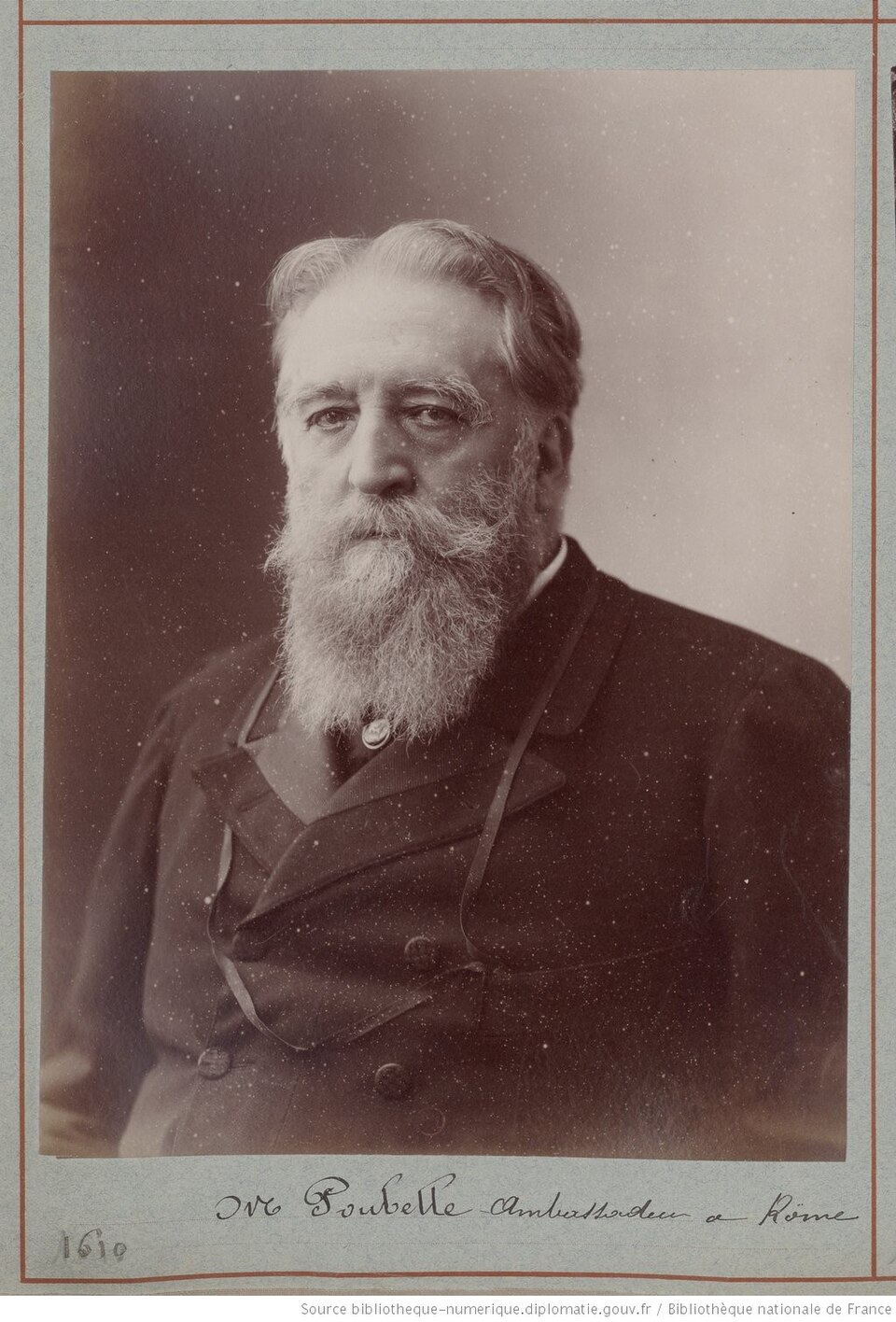
Source: Wikipédia — Eugène Poubelle, Atelier Nadar
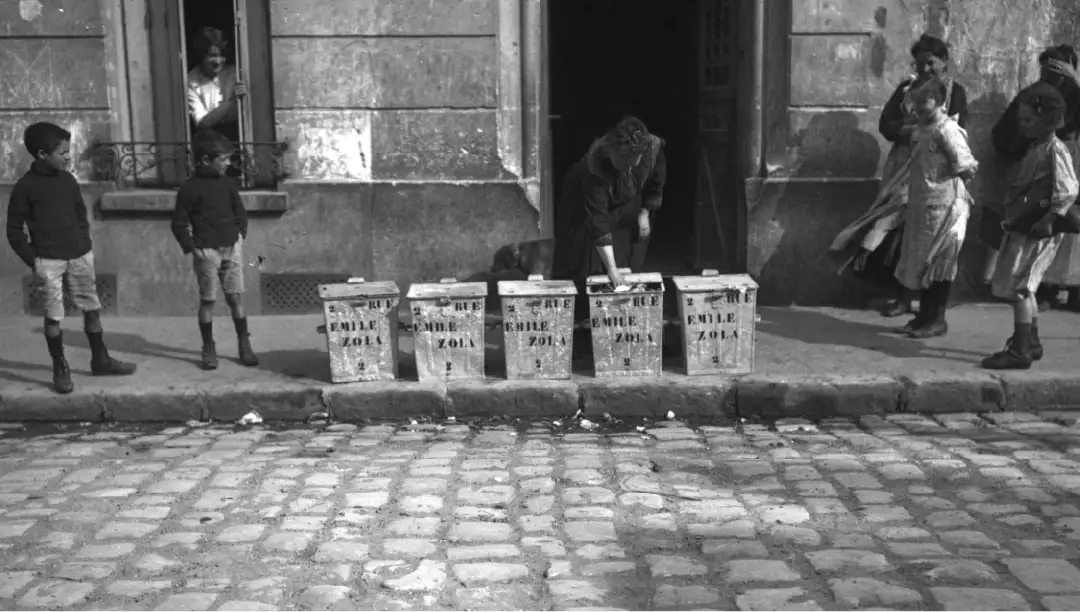
Paris streets after the 1884 decree — the first standardized bins, labeled with their building's address.
Source: lemontri.fr
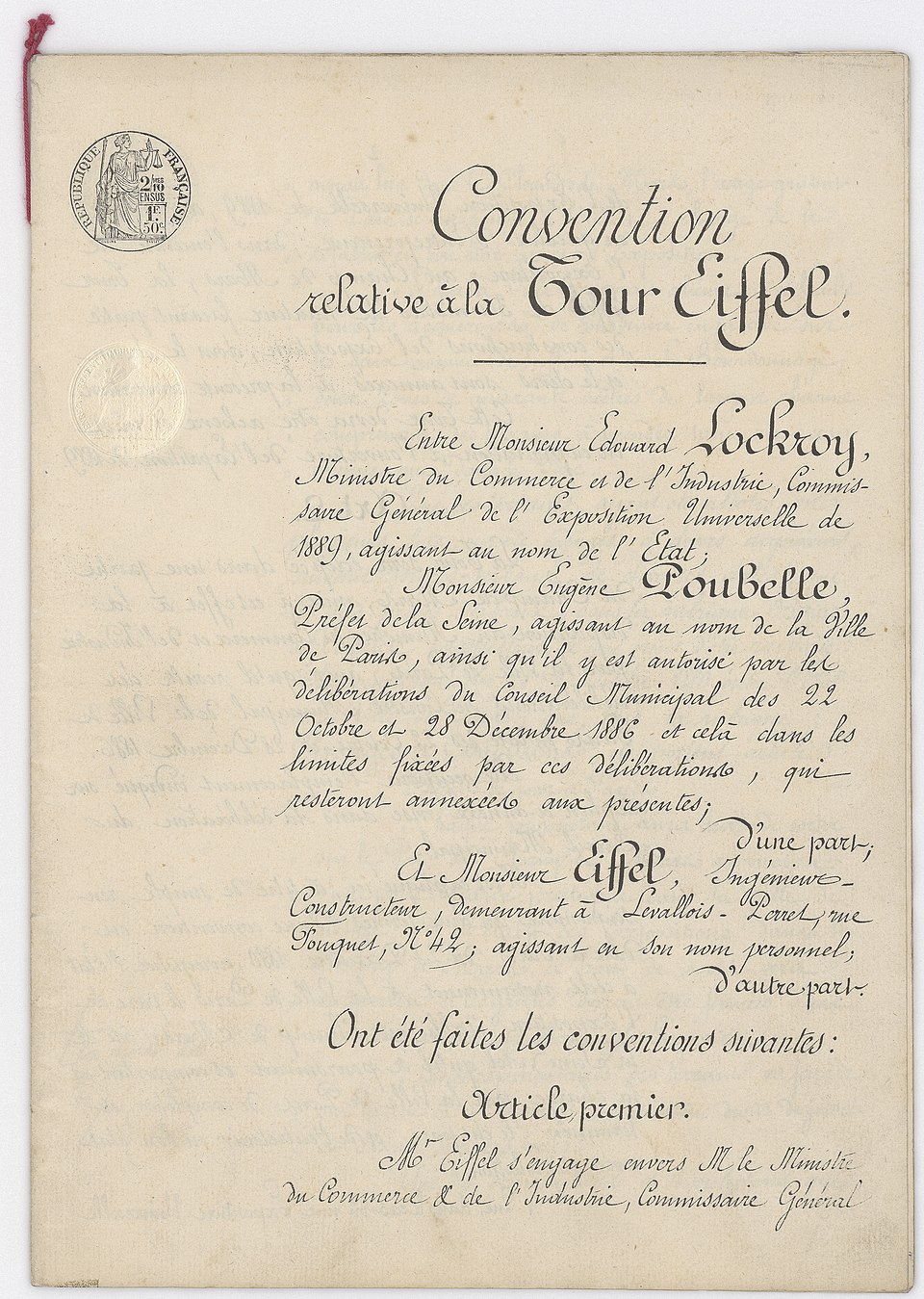
Source: Wikipédia — Archives Nationales
Source: Getty Collection
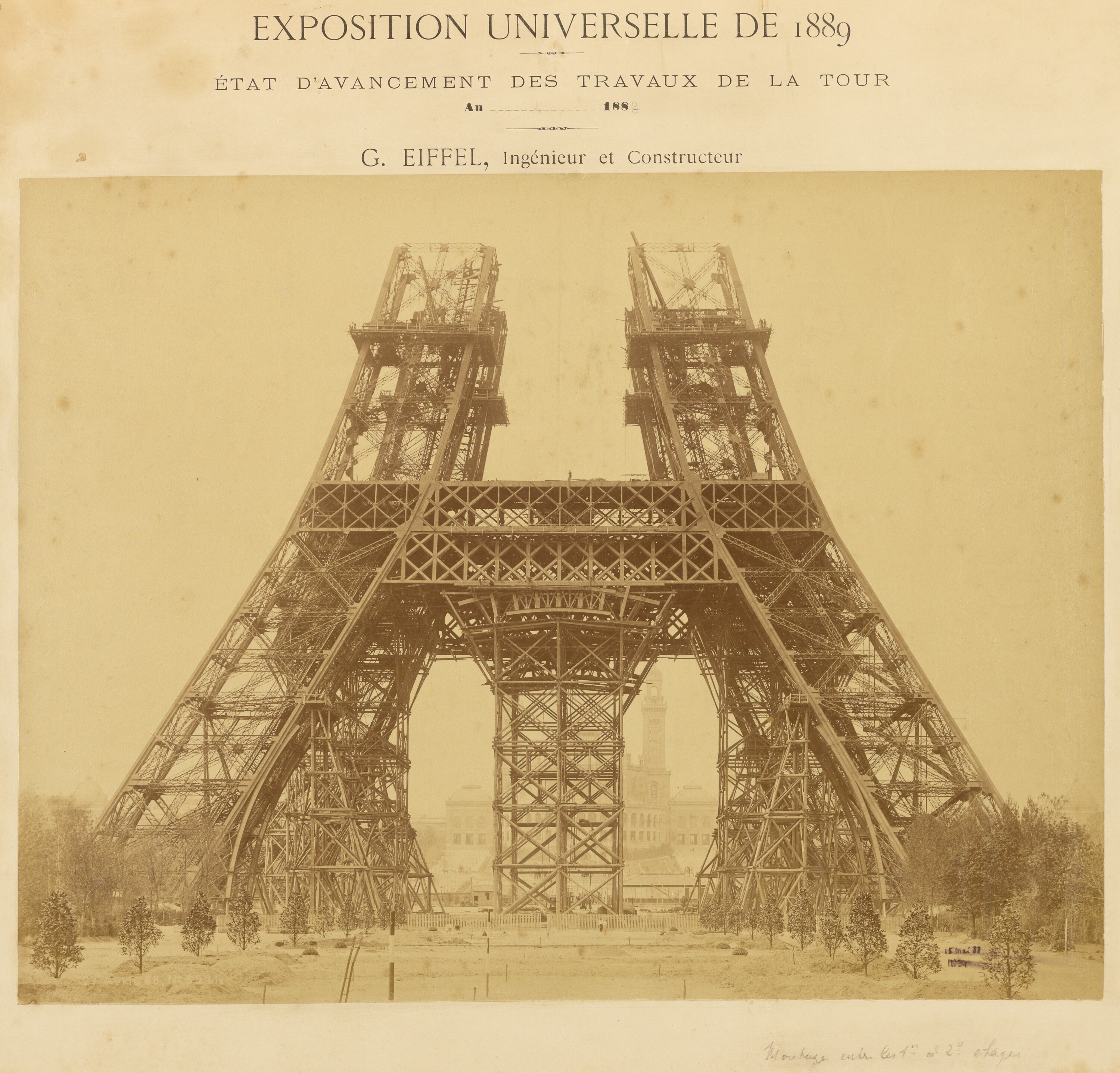
Beyond waste management, Poubelle was a key architect of the Parisian landscape we know today. On January 8, 1887, he co-signed the historic contract with Gustave Eiffel that authorized the construction of the Eiffel Tower. While the Iron Lady was initially met with fierce public protest, Poubelle's signature ensured that the 300-meter marvel would rise to define the Paris skyline for the 1889 World's Fair and beyond.
140 years later
A Poubelle family member is standing in Boulder, a city that leads the modern world in waste policy, just as Paris did in the 1880s, and advancing what Eugène started.
Boulder, 2026
Guillaume Poubelle grew up carrying a name that meant something.
Driven by that same legacy, he is carrying forward what Eugène started: building the hyper-localized, AI-powered intelligence needed to use the bins correctly.
Paris, 1884
Eugène Poubelle
Prefect of the Seine. Created the world's first source-separated waste system.
140
years apart
One name.
Same passion.
Same vision.
Boulder, 2026
Guillaume Poubelle
Founder, POUBELLE.AI. Building the intelligence layer that completes what standardized bins began.